
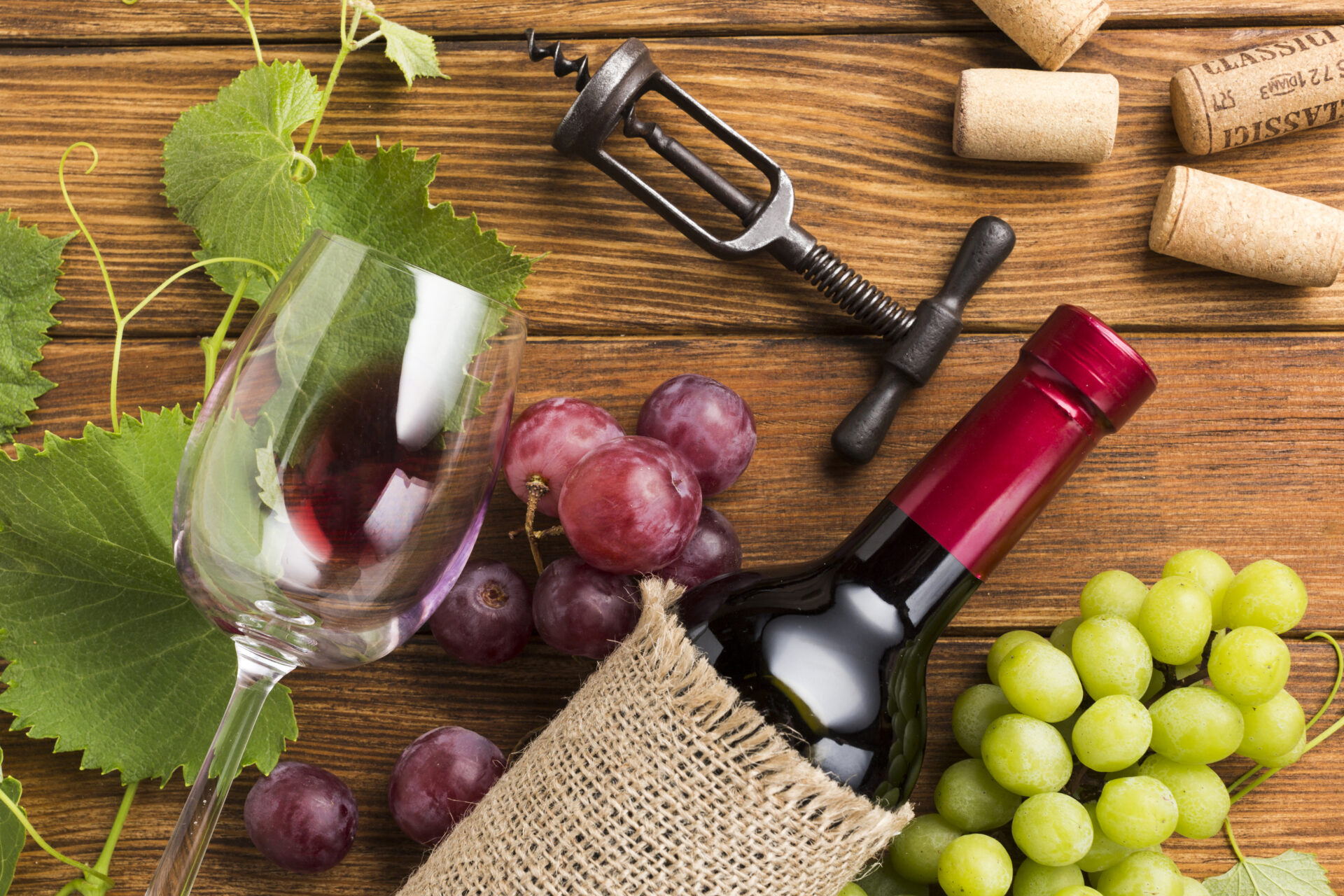
As autumn arrives, vineyard harvests wrap up and temperatures begin to drop, bringing a natural evolution in what we pour into our glasses. The crisp, high-acidity white wines and delicate rosés that define summer dining often give way to deeper, more structured selections. But why do full-bodied red wines seem particularly suited to this time of year?
The answer lies in a combination of grape ripeness, alcohol, tannin, oak aging, seasonal cuisine, and the way temperature influences our perception of flavour and texture. Understanding what gives a red wine its body, structure, and autumnal spice profile allows drinkers to navigate fall selections with greater intention and confidence.
What Makes a Wine Full-Bodied?
A wine’s “body” refers to its perceived weight, richness, and texture on the palate. While alcohol is an important contributor, body is influenced by several factors, including alcohol level, acidity, tannins, residual sugar, glycerol, and the overall concentration of flavour compounds.
Grape ripeness plays an important role. As grapes mature on the vine, they generally accumulate sugars while their acidity declines. During fermentation, yeasts convert those sugars into alcohol. Higher alcohol levels can contribute to a fuller, warmer sensation on the palate, while the balance between alcohol, acidity, tannin, and flavour concentration determines how substantial and structured the finished wine ultimately feels.
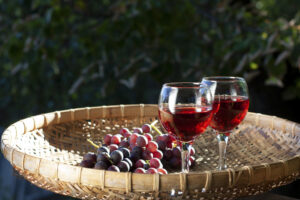
Varieties such as Cabernet Sauvignon, Syrah, and Zinfandel can develop considerable flavour and sugar concentration when allowed to ripen fully, making them familiar choices for fuller-bodied red wines.

The result is a wine with greater weight and intensity—qualities that often feel particularly satisfying alongside the richer foods and cooler temperatures associated with autumn.
The Science of Tannins and Structural Balance
Tannins are naturally occurring polyphenols found primarily in grape skins, seeds, and stems. They create the characteristic drying, astringent sensation on the tongue and along the sides of the mouth—a quality that plays an important role in a wine’s structure and balance.
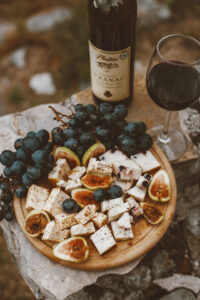
In full-bodied reds, tannins serve two important functions:
- Textural Contrast: Tannins interact with the proteins and fats found in rich foods, helping cleanse the palate between bites and creating a sense of balance.
- Ageing Potential and Complexity: Tannins contribute to a wine’s ability to develop complexity over time. As a wine ages, tannins can soften and integrate, allowing more nuanced characteristics such as dried fruit, leather, tobacco, and earth to emerge.
Varieties such as Nebbiolo and Petite Sirah are renowned for their robust tannic frameworks, making them particularly well suited to rich, savoury dishes and cooler-weather dining.
The Influence of Oak Aging: Spice, Toast, and Vanilla
Few elements evoke the feeling of autumn quite like the warming aromatics associated with oak-aged red wine. After fermentation, many full-bodied reds spend months—or even years—aging in oak barrels, where the interaction between wine and wood can contribute additional layers of aroma, flavour, and texture.
During this process, compounds within the oak can contribute distinctive characteristics to the finished wine:
- Lactones and vanillin: Can contribute notes of vanilla, coconut, and cream.
- Eugenol: Associated with warming baking-spice aromas such as clove and cinnamon.
- Toast-derived compounds: Can introduce notes reminiscent of woodsmoke, roasted coffee, and dark cocoa.
The degree of barrel toasting, the age and origin of the oak, and the length of time the wine spends in barrel all influence the final profile.
French oak tends to contribute more subtle spice and integrated structure, while American oak is often associated with more pronounced vanilla, coconut, and toasted characteristics.

These flavours can be particularly complementary in autumn, when dishes featuring roasted meats, root vegetables, mushrooms, caramelized onions, and warming spices become more prominent.
Why Full-Bodied Reds Pair So Well with Autumn Food
The appeal of full-bodied red wine in autumn is not simply about the weather. It also reflects the way seasonal foods interact with wine.
As temperatures fall, autumn menus often shift toward roasted meats, braised dishes, mushrooms, root vegetables, hearty grains, and richer sauces. These foods contain proteins, fats, savoury flavours, and caramelized notes that can complement the structure and intensity of fuller-bodied reds.

Tannic wines, for example, can provide contrast against rich or fatty foods, while the fruit concentration and acidity of the wine help balance savoury flavours. Meanwhile, oak-derived notes of vanilla, spice, toast, and smoke can echo the caramelized and roasted characteristics created during cooking.

This is one reason the pairing feels so intuitive. The wine and food are not simply complementing one another; their individual textures, flavours, and aromas are interacting to create a more balanced overall experience.
Serving Temperature: Why “Room Temperature” Isn’t Always Right
A common misconception is that full-bodied red wine should be served at room temperature. The advice originated in an era when indoor temperatures were considerably cooler than they are in modern heated homes.
Serving a full-bodied red too warm can make the alcohol feel more prominent and can overwhelm the wine’s fruit and aromatic characteristics. Serving it too cold, however, can suppress aromas and make tannins feel harder and more pronounced.
For most full-bodied reds, a serving temperature of approximately 15–18°C (59–64°F) provides a useful range. Slightly chilling the bottle before serving can help bring the wine into this range, particularly in a warm indoor environment.

A short period in the refrigerator—roughly 15 to 20 minutes—can be enough to lower the temperature without over-chilling the wine. The goal is not to make the wine cold, but to find the temperature at which its fruit, structure, tannins, and oak-derived aromas are in balance.
The Flavour of the Season
The appeal of full-bodied red wine in autumn is more than a matter of tradition. It is the result of an intricate relationship between grape ripeness, alcohol, tannins, oak aging, serving temperature, and the richer foods that define the season.
From the concentration of flavours that develops as grapes mature to the warming notes created through oak aging, every element contributes to the perception of depth and complexity. When paired with roasted, braised, and savoury autumn dishes, these characteristics become even more pronounced.
Perhaps that is what makes a full-bodied red feel so naturally at home in autumn. As the landscape changes and the pace of the season shifts, our palates often respond in kind—gravitating toward wines with greater depth, warmth, structure, and complexity.

Understanding the science behind that shift reveals that choosing an autumn wine is not simply about preference. It is an opportunity to appreciate how climate, agriculture, winemaking, food, and human perception come together in the glass.